A Division of The Hoskin Group. Canada’s Instrumentation Leader 


Continuous emissions monitoring systems (CEMS) are the backbone of air emissions compliance for Canadian industry. Whether you operate a gas-fired power plant, a pulp mill recovery boiler, a cement kiln or an energy-from-waste facility, regulators increasingly expect continuous, defensible data on what leaves the stack rather than periodic estimates. This guide explains how continuous emissions monitoring systems work, which gas analyzers measure which pollutants, how extractive and in-situ sampling approaches compare, and how monitoring data supports CEMS compliance in Canada under frameworks such as the Canadian Environmental Protection Act, 1999 (CEPA 1999) and the National Pollutant Release Inventory (NPRI).
It also places stack monitoring within the broader discipline of industrial air quality monitoring, from fence-line ambient analyzers to the portable combustion analyzers used for boiler tuning and verification. Avensys Solutions supplies and supports continuous emissions monitoring equipment from manufacturers including ENVEA, ECOM and Teledyne API, and backs it with Canadian field service, systems integration and commissioning support.
On this page
A continuous emissions monitoring system is an integrated package of sampling hardware, analyzers and data handling that measures pollutant concentrations, and usually flue gas flow, in real time at an emission source. Where a manual stack test provides a snapshot taken once or twice a year, a CEMS produces an uninterrupted record of emissions performance: hourly averages, exceedance alarms, mass emission totals and the audit trail a regulator expects to see behind every reported number.
A typical system brings together five building blocks:
What a given facility must monitor depends on its fuel, process and approval conditions. A natural gas turbine may need only NOx, CO and O2. A waste-to-energy plant typically adds HCl, SO2, particulate and mercury. A coal or biomass boiler usually includes SO2, particulate and opacity. The architecture is modular, which is why specifying the right combination of analyzers and sampling approach matters so much at the design stage.
Air emissions in Canada are governed by overlapping federal and provincial requirements. At the federal level, CEPA 1999 provides the framework under which Environment and Climate Change Canada (ECCC) manages toxic substances and sets requirements for certain sectors and equipment types. Facilities that exceed reporting thresholds must also report releases annually to the NPRI, Canada’s public inventory of pollutant releases and transfers. Provinces and territories, meanwhile, issue the operating approvals and permits that govern individual sites, and many of those approvals specify continuous monitoring for particular units, name the acceptable measurement methods and set quality-assurance expectations modelled on established CEMS codes and reference methods.
Because obligations vary by province, by sector and often by individual approval, this guide deliberately stays at the level of principles. For a more detailed walk through the federal framework, including how NPRI reporting works, where provincial frameworks fit and how monitoring equipment supports each obligation, see our companion guide to understanding CEPA regulations for industrial emissions. And always verify your current requirements directly with ECCC and your provincial regulator: thresholds, substance lists and reporting formats are updated over time.
What stays constant across every jurisdiction is the role of measurement. An emissions limit is only as meaningful as the data behind it, and regulators look for the full evidence chain: analyzers operating within specification, calibration and maintenance records, data availability statistics and audit results. A well-run CEMS is the documented proof that your facility is operating the way you say it is.
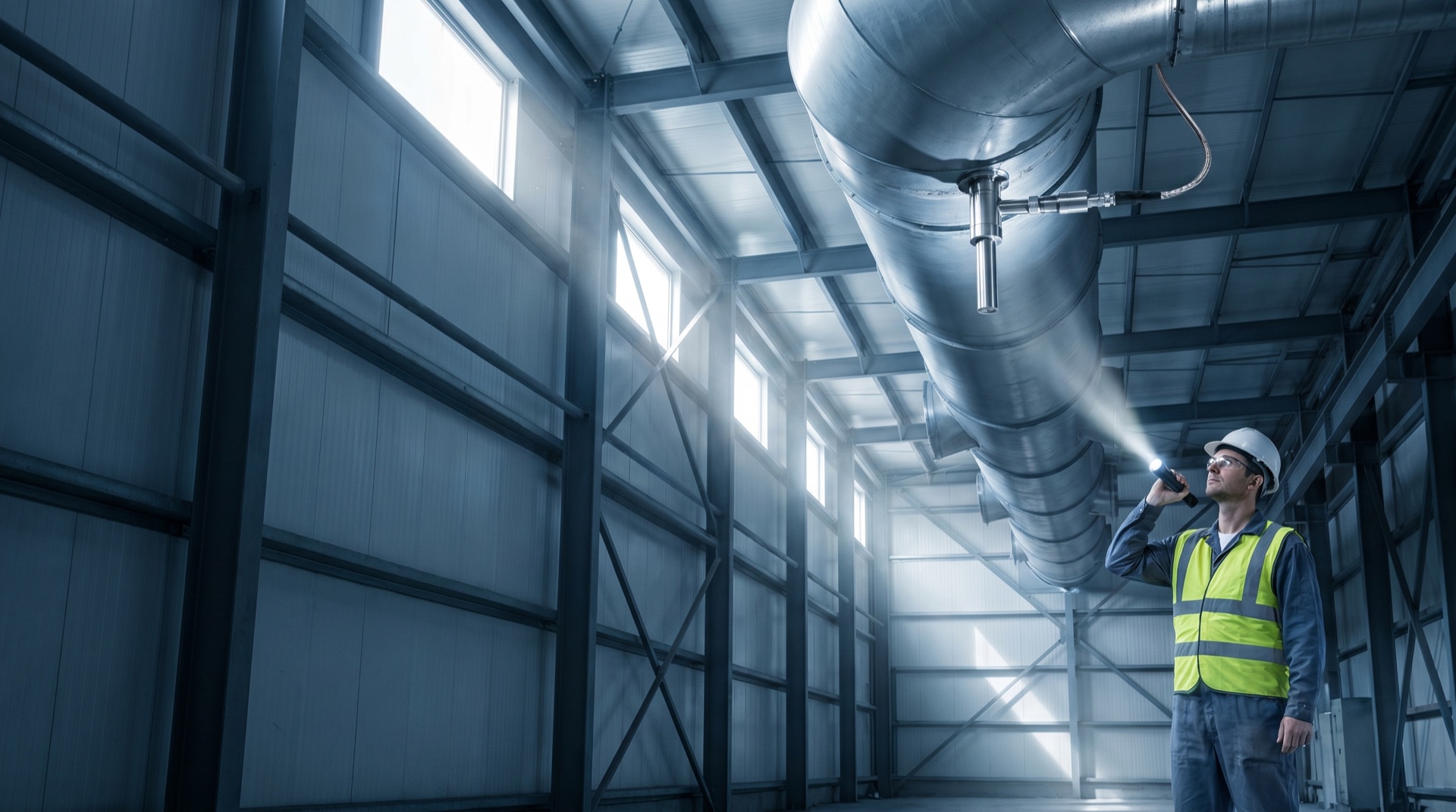
Gas analyzers are the heart of any CEMS, and different measurement principles suit different species. Non-dispersive infrared (NDIR) and gas filter correlation techniques are widely used for CO and CO2. Chemiluminescence remains a reference approach for NOx, while ultraviolet fluorescence and UV absorption are common for SO2. Fourier-transform infrared (FTIR) analyzers measure many species simultaneously, which makes them attractive for complex flue gases such as those from waste combustion. Oxygen, needed both as a diluent correction and for combustion control, is typically measured with paramagnetic or zirconia sensors.
Avensys carries a broad portfolio of gas analyzers for stack applications, including dedicated NOx analyzers and sulfur analyzers for SO2 and reduced sulphur compound measurement in sectors such as pulp and paper, refining and metallurgy. The ENVEA air emissions analyzers range covers the core regulated species with both extractive and in-situ options, allowing one manufacturer’s platform to serve an entire stack monitoring program.
Gaseous pollutants are only part of the picture. Solid fuel combustion, drying processes and any operation with baghouses or electrostatic precipitators also need to demonstrate control of dust emissions. Technologies include transmissometer-based opacity monitors, light-scatter instruments for low concentrations, and triboelectric or electrodynamic probes that double as broken bag detectors on fabric filters. Avensys supplies certified particulate CEMS for regulated stacks as well as simpler indicative monitors for filter performance. For a full comparison of these technologies and guidance on choosing between them, read our cluster guide to particulate and opacity monitoring in exhaust stacks.
Converting a concentration into a mass emission rate, the kilograms per hour or tonnes per year that inventories such as the NPRI ask for, requires knowing how much gas is moving up the stack. Flue gas velocity CEMS measure volumetric flow using techniques such as ultrasonic transit time, differential pressure or thermal sensing, each suited to different duct geometries and gas conditions.
Where mercury is regulated, typically at waste incinerators, cement plants and some metals and chemical operations, dedicated mercury CEMS continuously measure total gaseous mercury at the very low concentrations involved, a task far beyond conventional gas analyzers. Finally, the DAHS ties everything together. Look for software that handles your jurisdiction’s averaging and substitution rules, flags calibration drift, and produces regulator-ready reports, because data availability is judged as closely as analyzer accuracy.
How the sample reaches the analyzer shapes the cost, maintenance burden and measurement capability of the whole system. Four approaches dominate, and most CEMS specifications come down to choosing among them.
| Sampling approach | How it works | Strengths | Considerations |
|---|---|---|---|
| Hot/wet extractive | Sample is drawn through a heated probe and heated line to analyzers that measure the gas hot, with moisture still present. | Preserves water-soluble and condensable species such as HCl and NH3; pairs well with multi-component FTIR analysis. | Heated lines and components add cost and upkeep; wet-basis readings may need conversion to dry-basis limits. |
| Cold/dry extractive | Sample is extracted, then cooled and dried in a conditioning system before analysis. | Mature, widely deployed approach for NOx, SO2, CO, CO2 and O2; analyzers live in a clean, climate-controlled shelter. | The condensation step can lose soluble species; sample conditioning needs routine maintenance. |
| Dilution extractive | Sample is diluted with clean air at the probe, dramatically reducing moisture and particulate effects downstream. | Light maintenance on the sample line; suits high-moisture or dirty flue gases. | Accuracy depends on a very stable dilution ratio; analyzers must resolve low diluted concentrations. |
| In-situ (point or cross-stack) | Optical measurement is performed directly in the stack with no sample extraction at all. | Fast response; no sample transport or conditioning; path-type units average across the duct. | Exposed to stack temperature, vibration and dust; calibration checks and service happen at the stack platform. |
A few rules of thumb help narrow the choice. If your permit covers sticky, soluble species such as HCl or ammonia, hot/wet extractive or in-situ measurement protects them from being lost in a condenser. If the duty is the classic combustion suite of NOx, SO2, CO and O2 on a relatively clean stack, cold/dry extractive systems are economical and well understood. High-moisture processes such as wet scrubbed stacks often favour dilution systems, while space-constrained or fast-response applications can justify in-situ optics. The right answer is process specific, which is why a site survey should precede every specification.
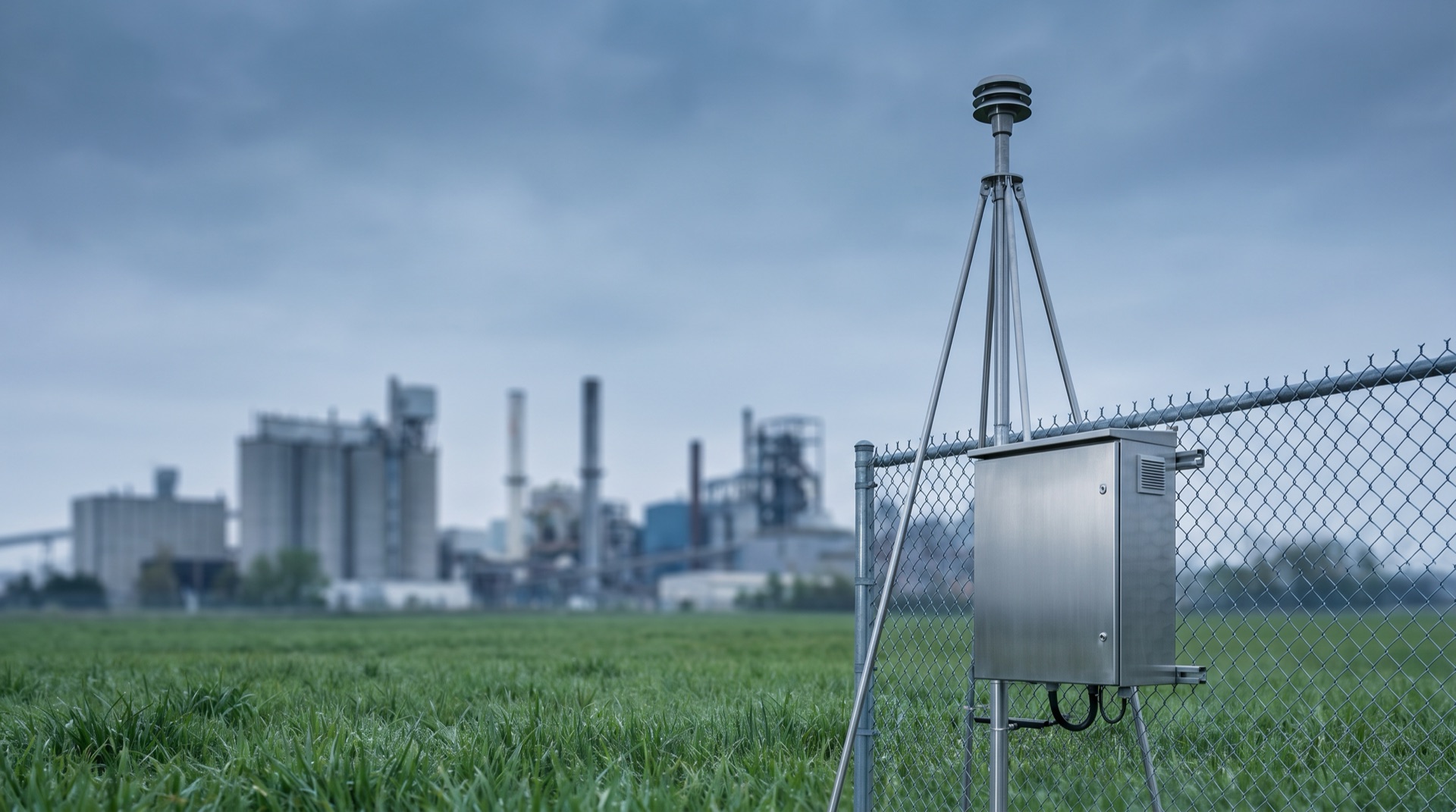
A CEMS tells you what leaves the process. Ambient air quality analyzers tell you what arrives at the fence line and in the surrounding community, and for many facilities both perspectives are required. Ambient monitoring stations measure pollutants such as NO2, SO2, ozone, CO and fine particulate at trace concentrations far below stack levels, using designated reference-grade instruments from manufacturers such as Teledyne API and ENVEA. Power plants, smelters and energy-from-waste facilities increasingly operate fence-line networks both to satisfy approval conditions and to maintain community trust with transparent data.
Because the concentrations, instruments and siting practices differ so much from stack monitoring, we cover this topic in its own guide to ambient air quality analyzers for monitoring around industrial sites. It is essential reading if your facility faces fence-line monitoring requirements in the power generation sector or is preparing an application where community air quality is a concern. You can also browse the full range of air quality analyzers and samplers within our environmental solutions portfolio.
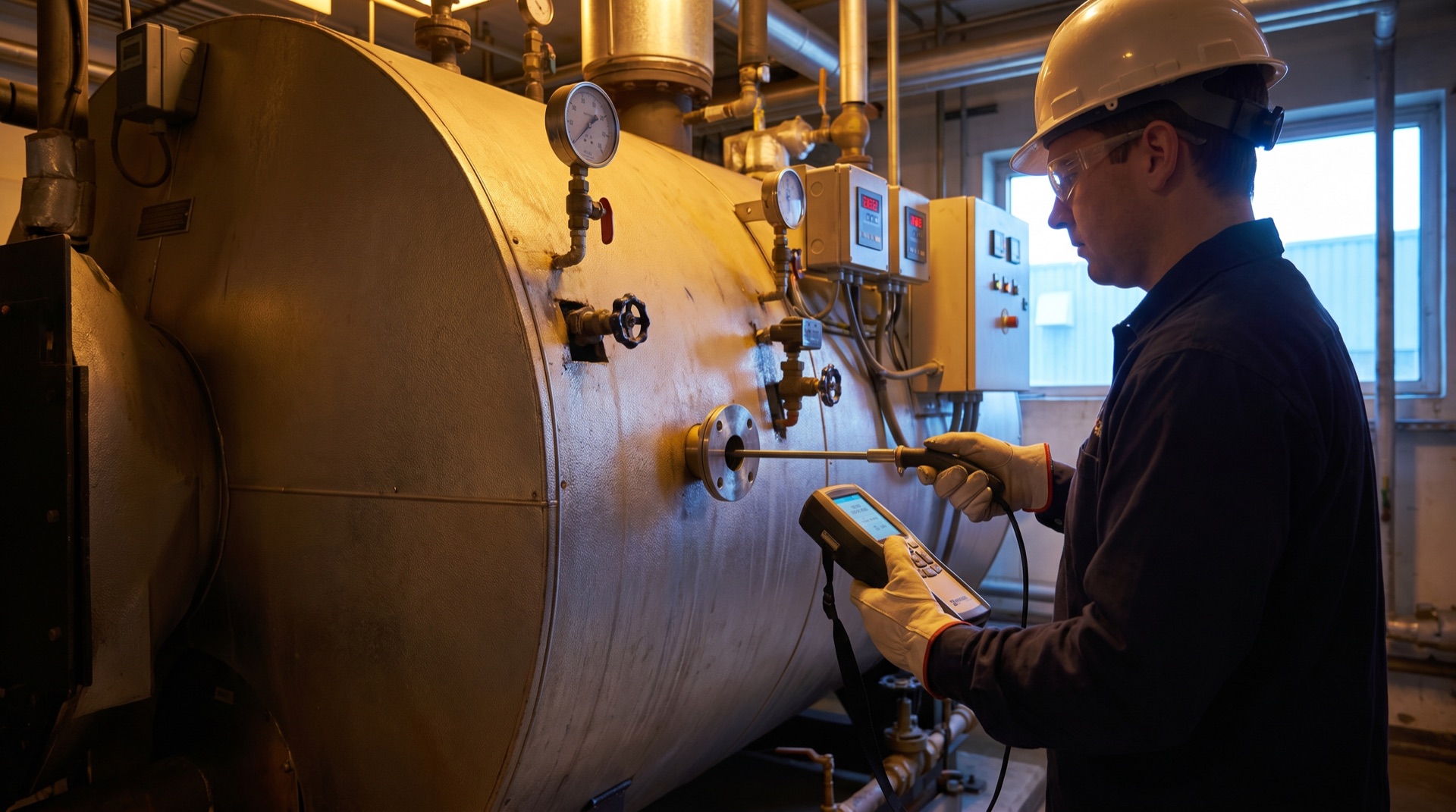
Not every measurement task calls for a permanently installed CEMS. Portable flue gas analyzers fill the gap for boiler tuning, burner commissioning, periodic checks on smaller units and spot verification of installed monitors. An ECOM combustion analyzer, for example, measures O2, CO and NOx directly at a sampling port, letting a technician trim excess air, confirm safe CO levels and document combustion efficiency in a single visit. The payoff is twofold: lower fuel consumption and lower emissions from the same equipment.
For plants that already operate a CEMS, a portable combustion analyzer is also a practical sanity check between formal audits; an independent reading that quickly reveals a drifting analyzer or a leaking sample line. We compare portable and fixed flue gas analysis, and explain O2 and CO trim strategies, in our guide to combustion analyzers for optimizing boiler and furnace efficiency. Facilities firing biogas or other renewable fuels face additional measurement questions, which we address in our guide to biogas composition analysis.

Specifying a CEMS is a systems-engineering exercise, not a catalogue purchase. The plants that get it right work through the same sequence:
Sector context matters too. Recovery boilers and lime kilns in pulp and paper bring reduced sulphur compounds into scope; chemical plants may add process-specific organics; utility boilers in power generation focus on NOx, SO2 and particulate at scale. Avensys engineers work across these sectors and can match analyzer technology to the application through our analytical solutions practice. And remember that stack monitoring is only one layer of plant air measurement: worker protection relies on a separate discipline, covered in our industrial gas detection and hazardous area safety guide.
A CEMS earns its keep through the quality of its long-term record, and that record is built on disciplined routines. Daily automated zero and span checks confirm each analyzer against certified calibration gases and quantify drift. Preventive maintenance, including filters, pumps, sample line integrity and conditioning components, keeps the sample representative. Periodic independent audits, such as relative accuracy test audits performed by a stack testing firm where the applicable CEMS code or approval requires them, demonstrate that the installed system still agrees with reference methods. Throughout, the DAHS logs every check so that data availability and quality can be defended years later.
Common failure points are rarely the analyzers themselves. Leaking fittings, saturated conditioning systems, expired calibration gases and unmanaged software changes cause most data losses. Building a maintenance plan, and training the people who execute it, is therefore as important as the original equipment selection. Avensys supports both sides of that equation, supplying instruments and providing the field service, calibration and commissioning that keep them defensible. If your monitoring obligations extend to effluent as well as air, our companion pillar on industrial water quality monitoring applies the same compliance-first approach to the water side of the plant.
This pillar page gives you the framework. Each cluster guide below goes deeper on one part of the air emissions monitoring puzzle:
A CEMS measures the pollutants named in a facility’s operating approval, most commonly NOx, SO2, CO, CO2 and O2, and where required, particulate matter, opacity, HCl, NH3, total hydrocarbons and mercury. Most systems also measure flue gas velocity, temperature and pressure so concentrations can be converted into the mass emission rates used for inventories such as the NPRI.
There is no single national rule. Continuous monitoring requirements come from a combination of federal instruments under CEPA 1999, sector-specific regulations and, most often, the provincial approval or permit that governs your specific units. Larger combustion sources and waste-to-energy facilities are the most frequent candidates. Because requirements differ by jurisdiction and are updated over time, confirm your obligations directly with ECCC and your provincial regulator.
A CEMS measures pollutants at the source, inside the stack or duct, at relatively high concentrations. Ambient air quality analyzers measure trace concentrations in the surrounding air, at the fence line or in the community, using far more sensitive reference-grade instruments. Many facilities need both: the CEMS demonstrates source compliance, while ambient monitoring demonstrates that local air quality is protected.
Through layered quality assurance: daily automated zero and span checks against certified calibration gases, scheduled preventive maintenance on the sampling system, and periodic independent audits against reference methods where the applicable CEMS code or approval requires them. The data acquisition system records every check, producing the documented evidence trail regulators expect alongside the emissions data itself.
Not where continuous monitoring is mandated, but portable instruments are invaluable companions. A portable flue gas analyzer such as an ECOM combustion analyzer supports boiler tuning, burner commissioning, periodic testing on smaller units and quick cross-checks of installed CEMS readings between formal audits. For many small or intermittently operated sources, periodic testing with a portable analyzer may be all the approval requires; again, your permit is the deciding document.
Avensys Solutions is a proud member of The Hoskin Group, supporting Canadian industry with instrumentation supply, technical service and systems integration.
Avensys Solutions helps Canadian plants design, build and maintain emissions monitoring programs that stand up to regulatory scrutiny. We supply gas analyzers, particulate monitors, mercury CEMS, flow measurement and portable combustion instruments from ENVEA, ECOM and Teledyne API, and we stay involved long after delivery:
Explore our full range of value-added services, or contact our team to discuss a CEMS specification, an upgrade to an aging system or a service plan for the monitors you already own.

Our goal is to offer broad capabilities, competitive pricing, exceptional quality and outstanding service to each and every customer across Canada.
A Division of The Hoskin Group. Canada’s Instrumentation Leader
©2026 Avensys · Powered by Canibuy™