A Division of The Hoskin Group. Canada’s Instrumentation Leader 


Reliable water data is the foundation of environmental compliance for every facility that withdraws, treats, or discharges water. This guide explains how industrial water quality monitoring systems work, from the multiparameter sonde and online analyzer to the automatic water sampler, open channel flow meter, and level transmitter, and how to combine them into a defensible monitoring program. Whether you are an environmental compliance officer at a manufacturing plant, an operator at a municipal wastewater treatment facility, or a manager responsible for stormwater infrastructure, the principles are the same: measure the right parameters, at the right locations, with instruments you can trust and data you can defend.
Avensys Solutions supplies and supports water quality sensors across Canada, along with the flow, sampling, and level instrumentation that completes a monitoring system. We represent recognized manufacturers including YSI, Teledyne ISCO, MaidLabs, and Badger Meter, and back every installation with in-house service and systems-integration expertise. Use the table of contents below to jump to the topics most relevant to your operation.
On this page
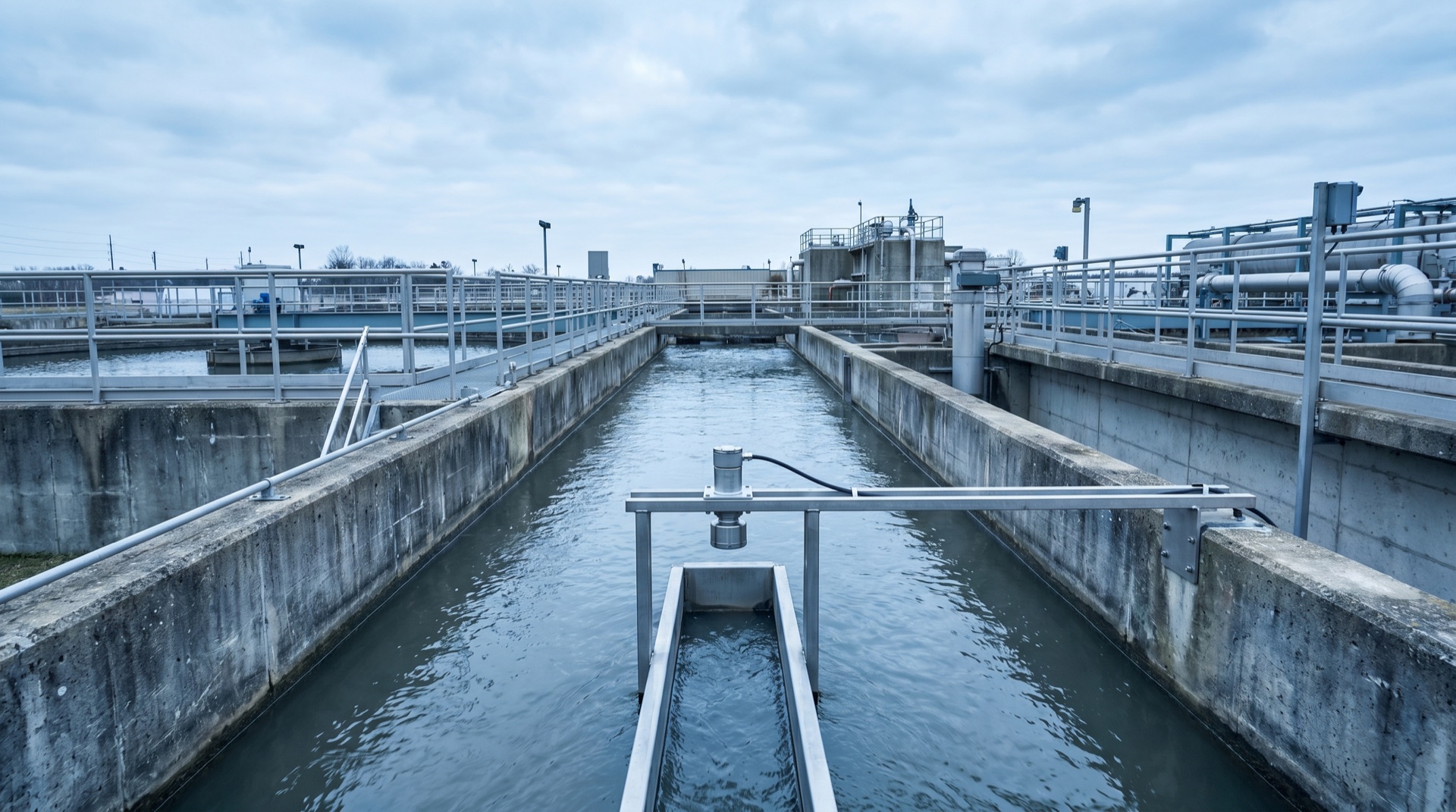
In Canada, water monitoring obligations flow from several overlapping layers of regulation. At the federal level, the Fisheries Act prohibits the deposit of deleterious substances into waters frequented by fish, and the Wastewater Systems Effluent Regulations establish baseline requirements for municipal and community effluent. The Canadian Environmental Protection Act (CEPA 1999) and the associated National Pollutant Release Inventory (NPRI) create reporting duties for many industrial facilities. On top of these, provincial permits and approvals, and, for facilities discharging to sewer, municipal sewer-use bylaws, typically define the specific parameters, limits, sampling frequencies, and reporting formats that apply to a given site. Because requirements vary by province, sector, and receiving environment, always confirm the details of your obligations with the relevant authority.
Compliance is only part of the story. Continuous monitoring also protects the process itself. Operators of water and wastewater treatment facilities rely on real-time data to optimize aeration energy, dose chemicals accurately, detect upsets before they become violations, and document due diligence. Industrial plants in sectors such as pulp and paper, chemicals, and food processing use the same instruments to manage effluent surcharges, protect biological treatment systems from toxic shock, and demonstrate responsible stewardship to communities and regulators.
A complete monitoring system answers three questions: What is in the water? (quality parameters), How much water is moving? (flow), and What evidence can we produce? (samples and records). The sections that follow address each in turn, and our environmental solutions team can help you assemble them into a single coherent system.
Every monitoring program starts with a parameter list. Some parameters are nearly universal, pH, temperature, dissolved oxygen, while others are driven by your specific process and permit. The table below summarizes the most common parameters in industrial and municipal applications, why they matter, and the type of instrumentation typically used to measure them.
| Parameter | Why it matters | Typical instrumentation |
|---|---|---|
| pH and temperature | Universal indicators of process stability; most discharge permits include a pH range. Temperature affects biological treatment and receiving waters. | Online pH/temperature sensors; included on virtually every multiparameter sonde |
| Dissolved oxygen (DO) | Drives aeration control in activated sludge processes and indicates the health of receiving waters. | Optical DO sensors on sondes or dedicated online analyzers |
| Conductivity / salinity | Tracks dissolved solids, detects saline intrusion, brine losses, and process leaks. | Conductivity cells on sondes or inline sensors |
| Turbidity and suspended solids | Indicates treatment performance, filter breakthrough, and construction or stormwater sediment impacts. | Optical turbidity sensors, online TSS analyzers |
| Ammonium / nutrients | Ammonia is toxic to aquatic life and a key effluent parameter; nutrient data supports aeration and dosing optimization. | Ion-selective electrodes and online ammonium analyzers |
| Chlorine residual | Confirms disinfection in drinking water and verifies dechlorination before effluent discharge. | Online chlorine analyzers at dosing and discharge points |
| Oil and hydrocarbons | Detects sheens, leaks, and process losses in cooling water, stormwater, and separator effluent. | Hydrocarbon in water analyzers using fluorescence or scattered-light techniques |
The right measurement technique depends on the matrix as much as the parameter. Raw wastewater, final effluent, river water, and a clean process stream each place very different demands on a sensor, fouling, ragging, temperature swings, and freezing conditions all influence which technology will survive in the field. This is where working with an instrumentation partner pays off: matching the analyzer to the application is the single biggest factor in long-term data quality.
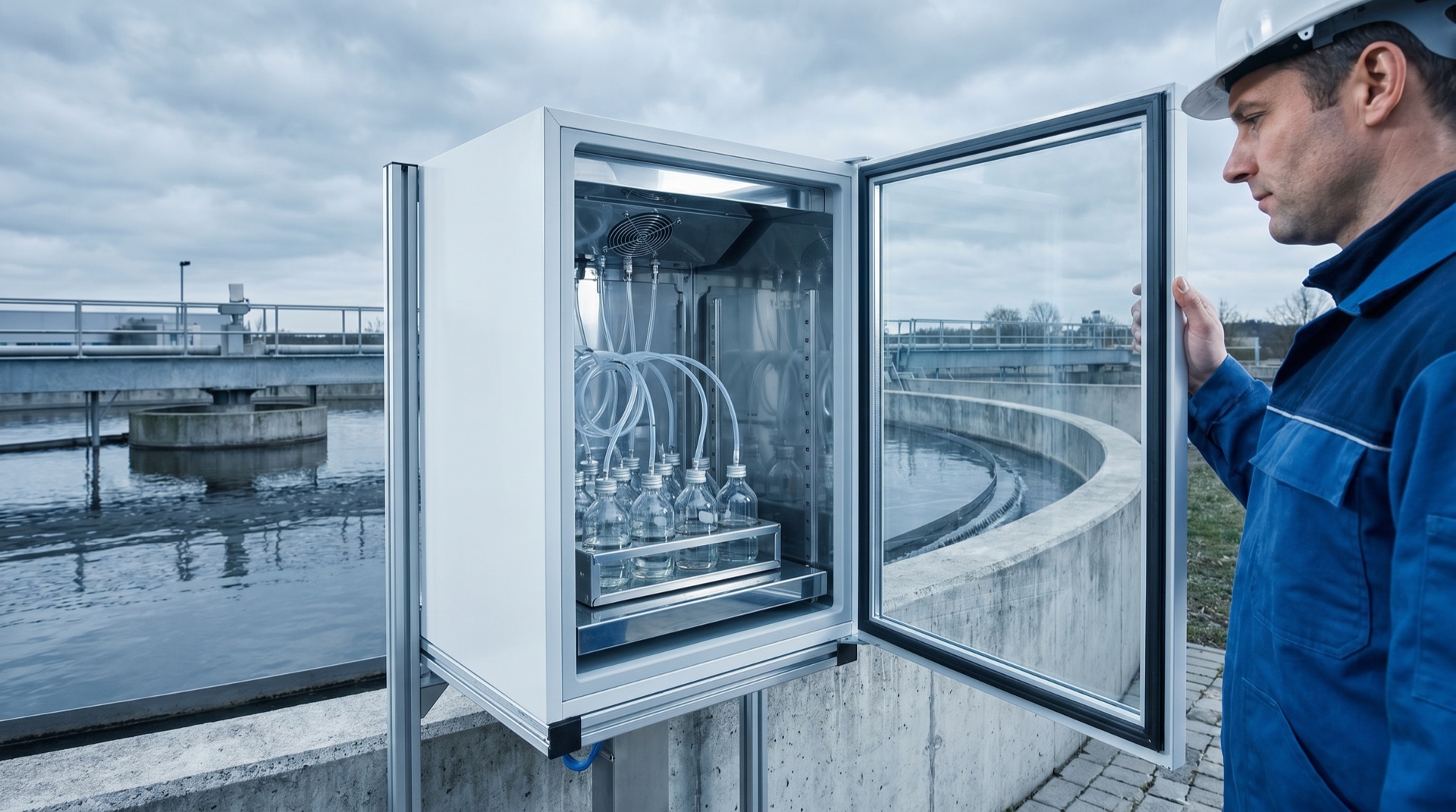
A multiparameter sonde is the workhorse of modern water quality monitoring. It is a single submersible instrument that carries several sensors at once, commonly pH, dissolved oxygen, conductivity, temperature, turbidity, and optional sensors such as ammonium, nitrate, chlorophyll, or blue-green algae, and logs or transmits all of them simultaneously. One sonde deployed in an aeration basin, effluent channel, river, or reservoir can replace a cabinet full of single-parameter instruments, dramatically simplifying installation and maintenance.
Avensys supplies YSI water quality analyzers and sondes, a platform trusted by municipalities, consultants, and industrial operators worldwide. Sondes are used in two complementary ways:
When selecting water quality sensors in Canada, pay particular attention to cold-weather performance, ice formation at monitoring stations, and the maintenance access you will realistically have in January. Sensor technologies with low drift and on-board diagnostics reduce winter site visits, and a sound calibration routine, verified with a portable instrument, keeps your dataset defensible year-round. The same platforms serve source-water and drinking water applications, where early warning of turbidity or conductivity changes protects downstream treatment.
Concentration data alone cannot tell you how much of a substance your facility discharged, for that you need flow. Mass loading, surcharge billing, flow-proportional sampling, and capacity planning all depend on accurate flow measurement, which is why flow meters sit at the heart of every industrial water quality monitoring system.
Sewers, effluent channels, flumes, and stormwater conveyances are open channel applications: the liquid flows with a free surface rather than filling a pressurized pipe. An open channel flow meter determines flow either by measuring level over a primary device with a known hydraulic relationship, a Parshall flume or weir, or by measuring level and velocity directly with an area-velocity sensor where no primary device exists. Non-contact options using ultrasonic or radar sensors keep electronics out of the flow entirely, an advantage in debris-laden or corrosive streams.
Avensys carries the full line of Teledyne ISCO open channel flow meters, from portable area-velocity units for short-term studies to permanent flumes-and-transmitter installations for billing-grade records. For collection systems, MaidLabs monitoring instruments address sewer overflow detection and reporting, an area of growing regulatory attention for municipalities. For a deeper treatment of technologies, site selection, and accuracy best practices, see our cluster guide on open channel flow measurement technologies and best practices.
Pressurized lines, plant influent and effluent forcemains, process water, chemical feed, and recycled streams, call for liquid flow meters designed for full pipes. Electromagnetic flow meters from Badger Meter are the default choice for conductive liquids such as wastewater and process water, offering wide turndown with no moving parts. Ultrasonic clamp-on meters install on the outside of existing pipe without shutdowns, while turbine and mechanical meters remain cost-effective for clean liquids. Our comparison guide on electromagnetic, ultrasonic, and mechanical liquid flow meters walks through the selection criteria in detail.
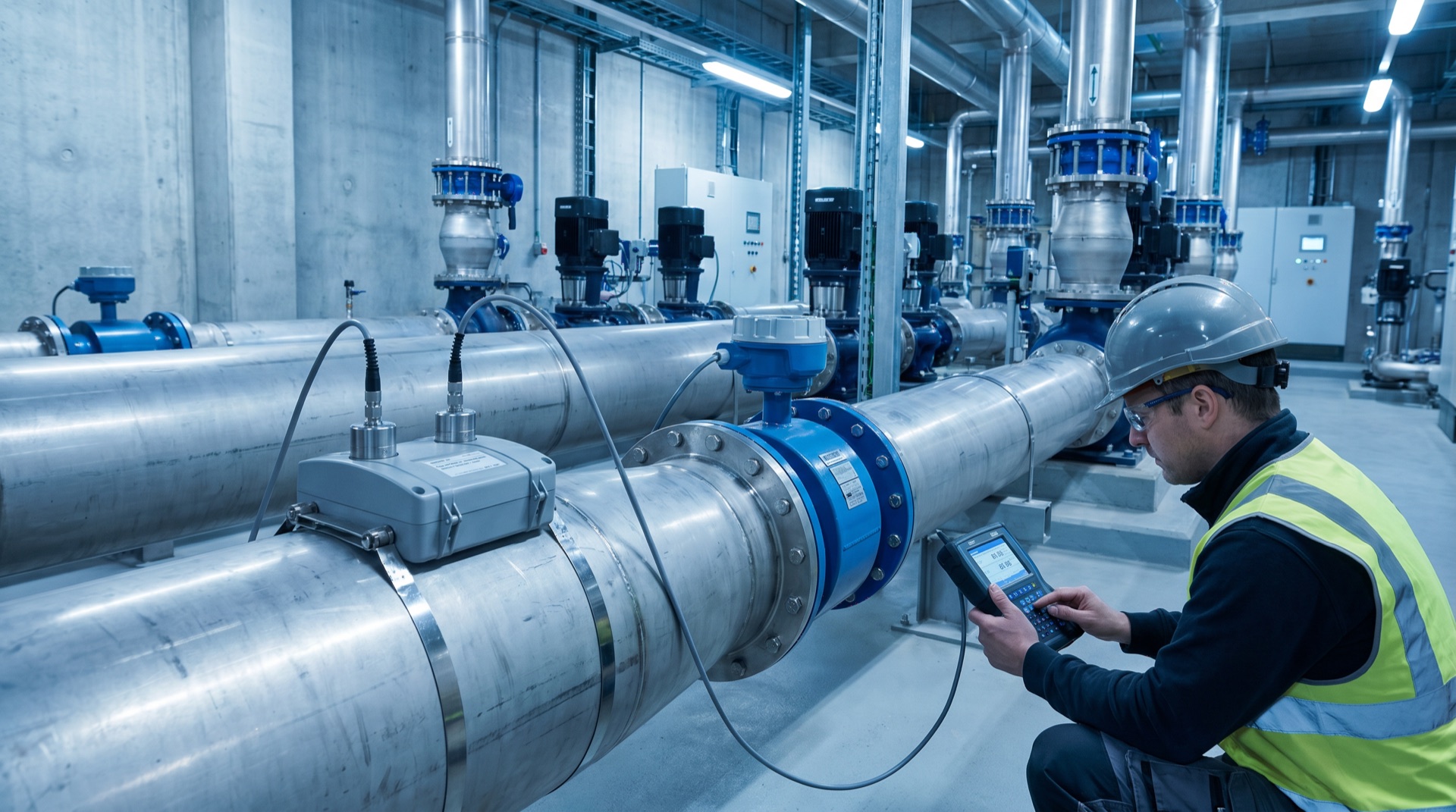
Online sensors provide trends, but most permits are enforced against laboratory analysis of physical samples. An automatic water sampler collects those samples on a programmed schedule, without an operator standing at an outfall at 3 a.m., and preserves them until pickup. Samplers are central to compliance because they remove human variability from the evidence chain.
Key concepts when specifying automatic water samplers:
Teledyne ISCO samplers are the industry standard in this category, and Avensys supports the complete range together with intakes, suction lines, bottle configurations, and flow-meter integration. Sampling points in manholes and confined spaces also raise worker-safety considerations, our industrial gas detection and hazardous area safety guide covers portable gas detection for those entries. For a full walkthrough of sampler types, pacing strategies, and compliance considerations, read our guide to selecting automated water sampling systems for regulatory compliance.
Level instrumentation is the quiet enabler of water monitoring. Wet wells, equalization basins, chemical storage tanks, clarifiers, and digesters all depend on reliable level data for control and alarming, and in open channel applications, level is the flow measurement when a flume or weir is used. Overflow events at sewage pumping stations are frequently detected and timestamped by level sensors, making them part of the compliance record.
The main technology families are non-contact radar and ultrasonic transmitters, hydrostatic (pressure-based) transmitters submerged in the liquid, RF admittance probes for difficult and coating-prone media, and simple point level measurement switches for high/low alarms and pump protection. Each technology has strengths: radar shrugs off foam, vapour, and temperature swings; ultrasonic offers economical non-contact measurement; hydrostatic sensors excel in deep wells and narrow stilling tubes. Our dedicated comparison of radar, ultrasonic, and DP level measurement technologies explains how to choose between them for tanks, channels, and lift stations.
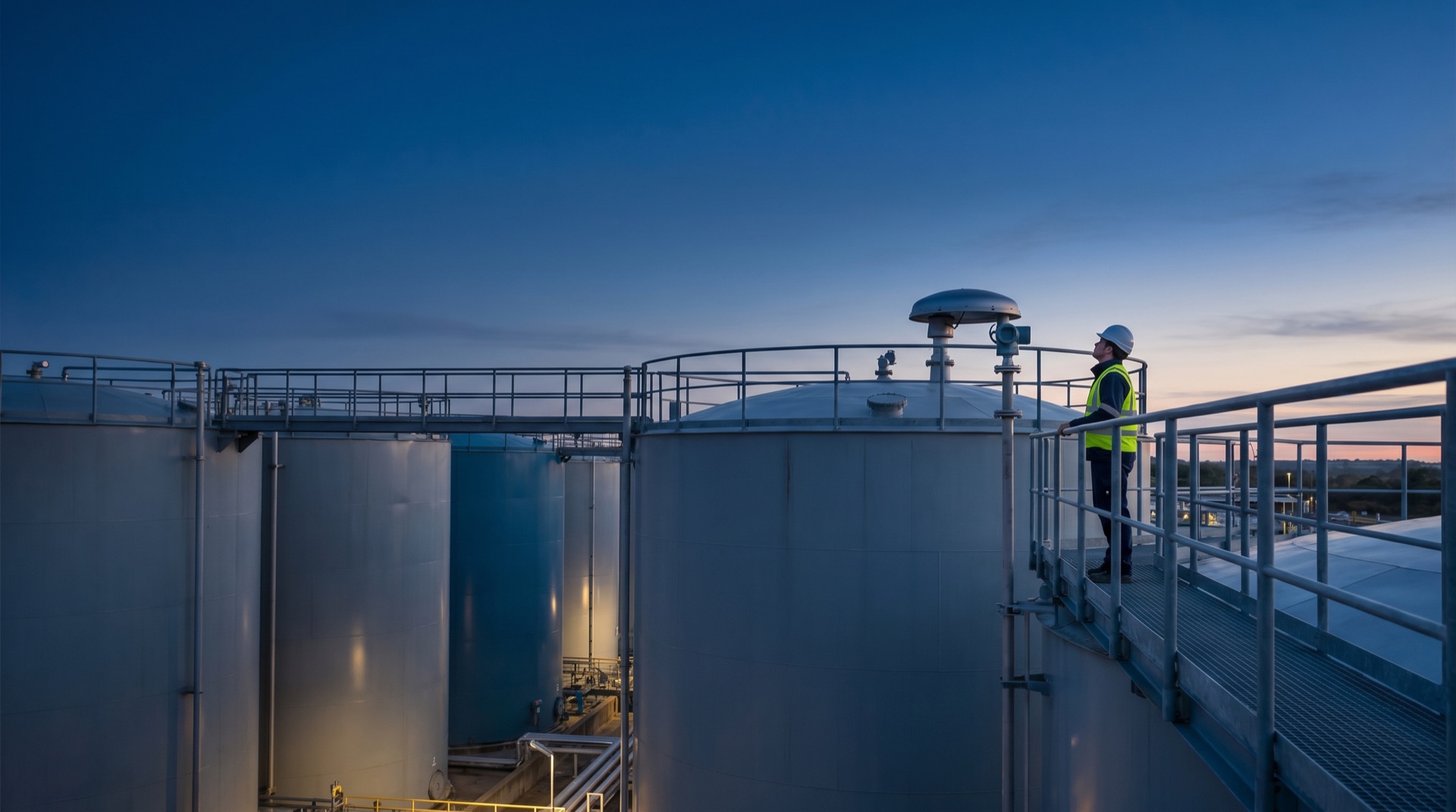
Instruments only deliver value inside a well-designed program. Whether you are building a system from scratch or modernizing legacy equipment, the same sequence applies:
Avensys approaches monitoring as an integrated instrumentation solution rather than a list of part numbers: sensors, samplers, flow meters, level devices, panels, and communications engineered to work together, and supported in Canada after commissioning.
This pillar page gives you the framework; the following in-depth guides cover each subsystem in the detail your projects deserve:
A multiparameter sonde is a submersible instrument that measures several water quality parameters at once, typically pH, dissolved oxygen, conductivity, temperature, and turbidity, with optional sensors for ammonium, nitrate, chloride, chlorophyll, and algae. Because all sensors share one body, one cable, and one logger, sondes simplify both continuous deployments and handheld spot checks compared with separate single-parameter instruments.
Start with your permit: it will specify grab or composite samples, the compositing period, and preservation requirements. Permanent compliance points generally call for a refrigerated water sampler paced by a flow meter (flow-proportional sampling), while short-term studies and stormwater programs are usually served by portable samplers. Bottle configuration, intake placement, and lift height complete the specification.
An open channel flow meter measures flow in conduits where the liquid has a free surface, sewers, flumes, ditches, and partially full pipes. You need one wherever a pressurized full-pipe meter cannot work: effluent discharge channels, collection systems, and stormwater outfalls. Technologies include level measurement over a Parshall flume or weir, submerged area-velocity sensors, and non-contact ultrasonic or radar systems.
Calibration frequency depends on the technology, the matrix, and the consequences of drift. Optical sensors such as modern DO and turbidity sensors hold calibration considerably longer than electrochemical sensors like pH. A common approach is monthly verification against a freshly calibrated field instrument, with full calibration whenever readings drift beyond your tolerance. Your permit or quality system may impose minimum frequencies, so document every calibration event.
The principal federal instruments are the Fisheries Act, the Wastewater Systems Effluent Regulations, and CEPA 1999 with its NPRI reporting program. Provincial permits and approvals add site-specific limits and monitoring schedules, and municipal sewer-use bylaws govern discharges to sanitary sewers. Requirements differ significantly by jurisdiction and sector, so always confirm your obligations with the relevant federal, provincial, and municipal authorities.
Avensys Solutions is a proud member of The Hoskin Group, supporting Canadian industry with instrumentation supply, technical service and systems integration.
Avensys Solutions is a Canadian provider of environmental and industrial instrumentation, supporting water and wastewater professionals from instrument selection through years of operation. Beyond supplying equipment from YSI, Teledyne ISCO, MaidLabs, and Badger Meter, we add value where it matters most:
Learn more about our value-added services, or contact our team to discuss your industrial water quality monitoring project, from a single multiparameter sonde to a plant-wide system.

Our goal is to offer broad capabilities, competitive pricing, exceptional quality and outstanding service to each and every customer across Canada.
A Division of The Hoskin Group. Canada’s Instrumentation Leader
©2026 Avensys · Powered by Canibuy™