A Division of The Hoskin Group. Canada’s Instrumentation Leader 


Reliable measurement is the foundation of every well-run plant. Whether the process is a chemical reactor, a recovery boiler, a rolling mill or an anaerobic digester, process instrumentation: the temperature, pressure, flow and level devices that watch a process around the clock, determines how safely, efficiently and profitably a facility operates. Avensys Solutions supplies process and industrial instrumentation across Canada, serving conventional heavy industry as well as the country’s fast-growing biogas and green energy sector. This guide explains the core measurement disciplines, surveys typical applications by industry, and connects you to detailed cluster guides on biogas composition analysis, fermenter monitoring, low flow gas metering, and industrial temperature and pressure measurement.
On this page
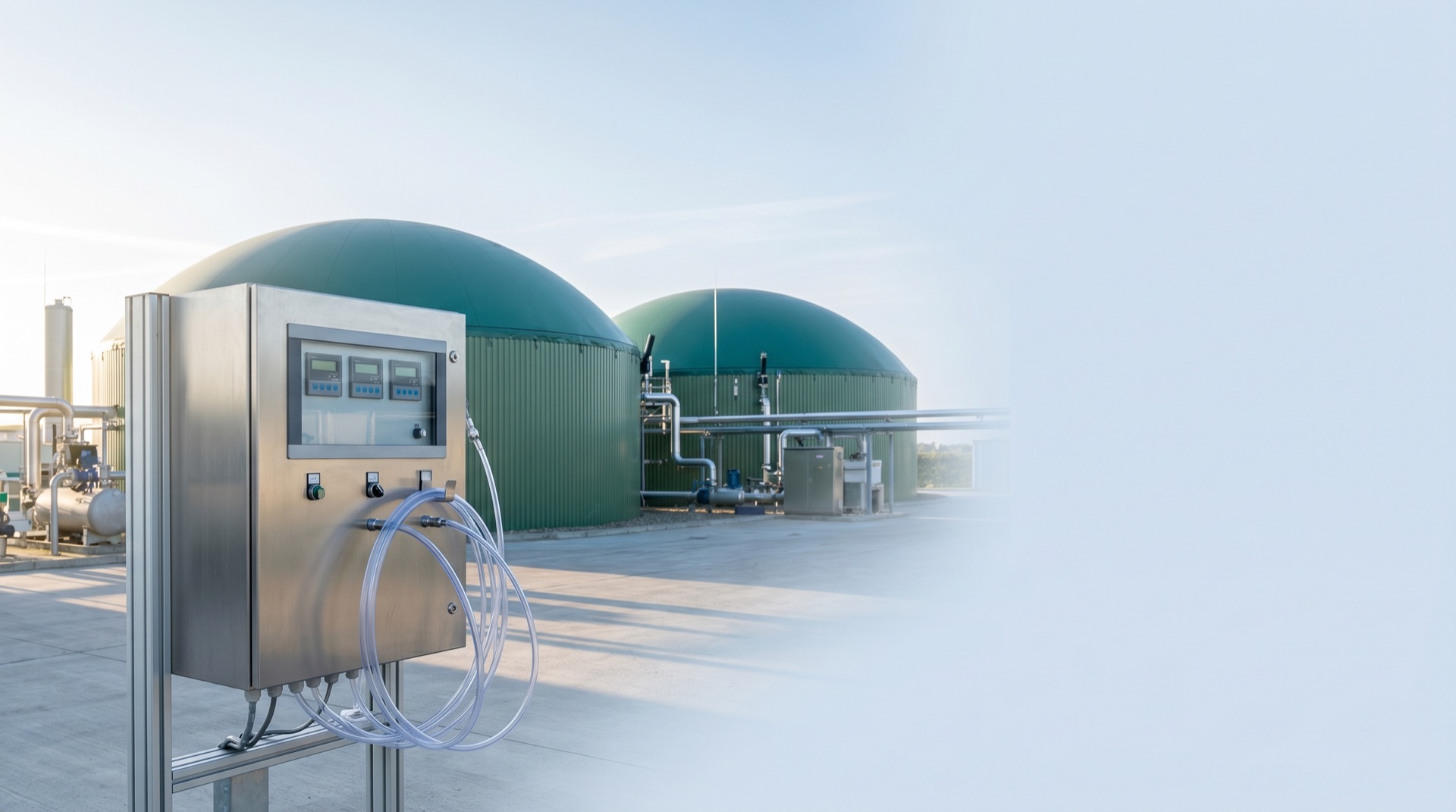
Process instrumentation is the family of sensors, transmitters, switches and analyzers that measure physical and chemical conditions inside an industrial process and convert them into signals a control system, or an operator, can act on. Four variables dominate almost every plant: temperature, pressure, flow and level. Around those four sit specialized analytical measurements, such as gas composition, that become mission-critical in applications like biogas production, combustion control and product quality assurance.
Most facilities deploy instruments in two complementary roles. Continuous measurement devices, such as transmitters and analyzers, deliver an analogue or digital signal that feeds control loops, data historians and regulatory reports. Discrete protection devices, such as mechanical and electronic switches, trip alarms, interlocks and shutdowns the moment a variable crosses a set point. A well-engineered installation layers both so that no single failure leaves the process blind, a principle covered in depth in our cluster guide to industrial temperature and pressure measurement.
As a Canadian provider of environmental and industrial instrumentation, Avensys supports the full life cycle of these systems, from instrument selection and supply through systems integration, commissioning, calibration and field service. Visit our industrial market page for an overview of the sectors we serve.
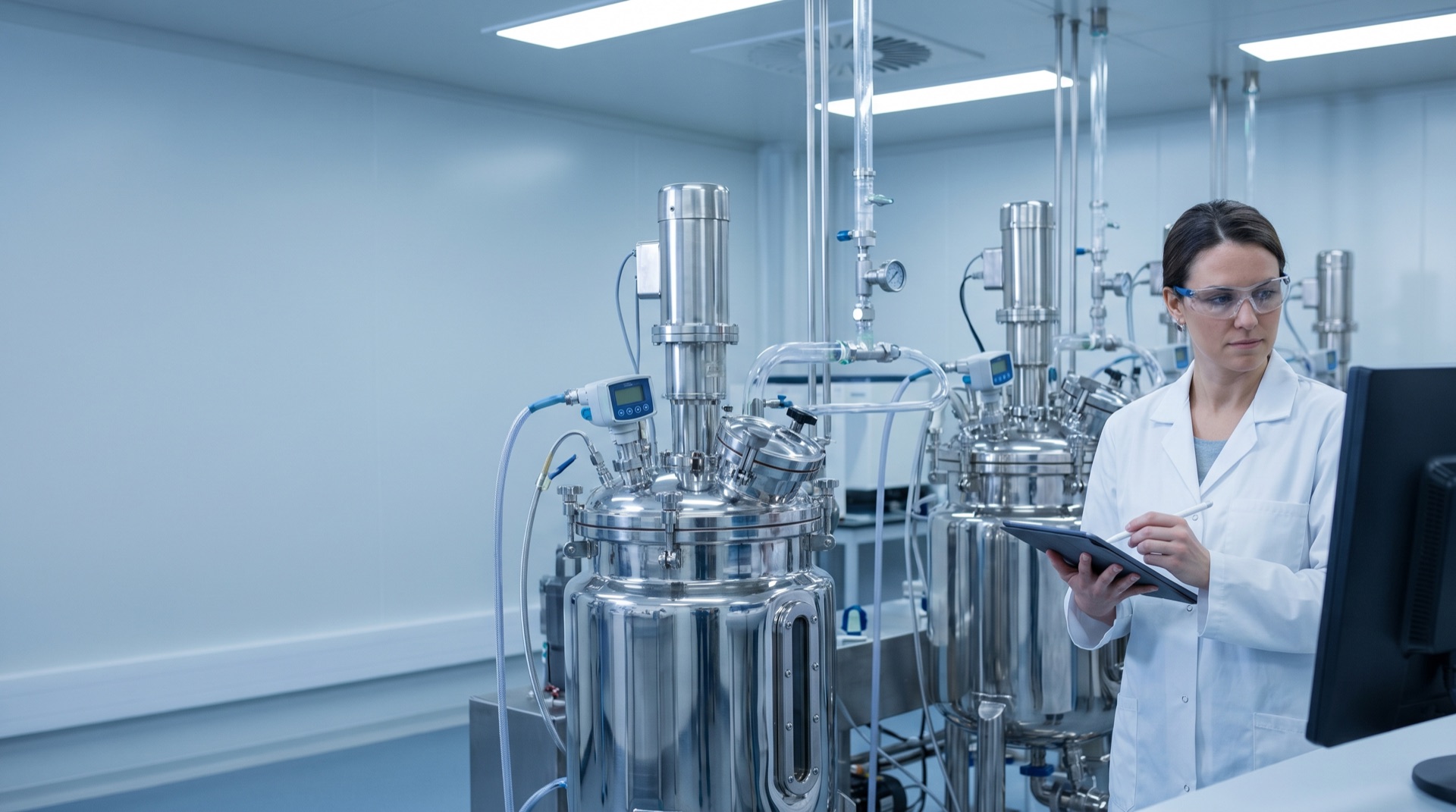
Selecting the right instrument starts with the process, not the catalogue. For each measuring point, engineers weigh required accuracy and turndown, process connection and wetted materials, operating and design conditions, hazardous-area classification, output signal and protocol, and, too often forgotten, how the device will be isolated, verified and maintained once it is in service. The notes below summarize how those decisions play out for each of the four core variables, with links to the relevant Avensys product categories and deeper cluster guides.
Temperature governs reaction rates, product quality, energy efficiency and equipment protection. Typical industrial installations pair RTD or thermocouple sensors with temperature transmitters for continuous control, and add independent temperature switches for alarm and shutdown duty. Sensor placement, immersion depth and thermowell design often influence accuracy as much as the instrument itself, which is why specification deserves the same rigour as the control strategy it serves. Browse the range of temperature instruments available through Avensys, including devices from SOR and Ametek.
Pressure measurement protects vessels and piping, confirms pump and compressor performance and, through differential pressure, can infer both flow and level. Plants specify gauge, absolute or differential instruments depending on the reference the application requires. Pressure transmitters provide the continuous signal for control loops and historians, while pressure and vacuum switches deliver hard-wired protection that keeps working even if the control system does not. Avensys carries a broad portfolio of pressure measurement devices for general-purpose and hazardous-area service.
No single flow technology suits every fluid. For gases, the thermal mass flow meter is often the first choice because it measures mass flow directly, without separate pressure and temperature compensation, and maintains sensitivity at the low velocities where many other meters lose their signal. Volumetric devices such as drum-type gas meters excel at precise low-flow laboratory and pilot-plant work. Avensys supplies gas flowmeters from FCI, Kayden and Ritter; our cluster guide to low flow gas metering compares the main approaches in detail. For liquid service, see the companion guide to electromagnetic, ultrasonic and mechanical liquid flow meters.
Level instrumentation keeps tanks, silos, digesters and sumps within safe operating bands and provides the inventory data behind production planning. Continuous technologies, radar, ultrasonic and differential pressure, work alongside point level switches used for overfill and dry-run protection. Avensys offers a complete line of level measurement instruments; for a technology-by-technology comparison, read radar, ultrasonic and DP level measurement compared.
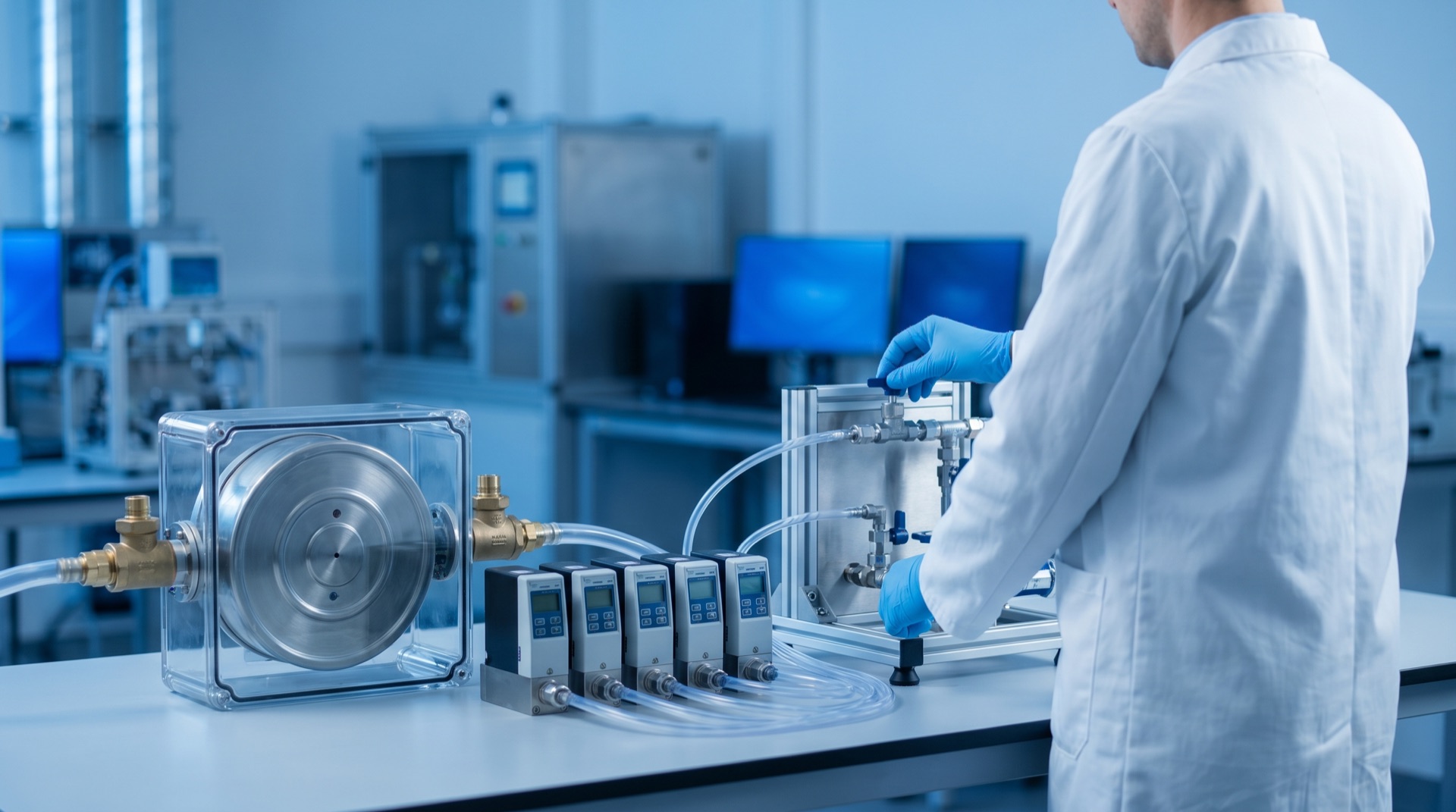
Although biogas and renewables are a fast-growing part of our business, industrial process plants remain a core market for Avensys. The same four measurements appear in every sector, but each industry imposes its own demands on materials, ratings, approvals and maintenance practices.
| Industry | Typical measurement challenges | Common instrumentation |
|---|---|---|
| Chemical and petrochemical | Aggressive media, hazardous areas, tight quality control | Pressure transmitters, temperature instruments, level measurement, flow switches |
| Pulp and paper | Steam systems, abrasive stock, black liquor service | Pressure and temperature transmitters, level instruments, flow monitoring |
| Power generation | Safety-system redundancy, high temperature and pressure | Redundant transmitters, switches for protective trips, gas flow measurement |
| Steel and metals | Extreme temperatures, dust, vibration | Rugged temperature sensors, pressure switches, flow protection devices |
| Food and beverage | Hygienic design, clean-in-place cycles, batch consistency | Sanitary temperature and pressure instruments, level measurement |
| Mining and minerals | Slurry abrasion, remote sites, harsh climates | Robust level and pressure instruments, flow and no-flow switches |
| Biogas and green energy | Corrosive wet gas, variable composition, low pressures | Biogas analyzers, thermal mass flow meters, digester temperature, pressure and level devices |
In chemical processing, corrosion-resistant wetted materials and hazardous-area approvals dominate specification work. Pulp and paper mills push instruments hard with steam, condensate and abrasive process streams. In power generation, redundancy and protective-trip integrity come first, and process instrumentation operates alongside the plant’s continuous emissions monitoring systems and combustion analyzers. Steel, food and beverage, and mining each add further constraints, extreme heat, hygienic construction and slurry abrasion respectively. And wherever toxic or combustible gases may be present, fixed gas detection complements process measurement; see our complete guide to industrial gas detection and hazardous area safety.
Measurement also underpins environmental compliance. Federal frameworks such as CEPA 1999 and the National Pollutant Release Inventory (NPRI), along with provincial regulations, depend on defensible flow, level and emissions data. Requirements vary by jurisdiction and sector, so always confirm your specific obligations with the relevant authority. For water-side monitoring obligations, our pillar guide to industrial water quality monitoring is a good starting point.
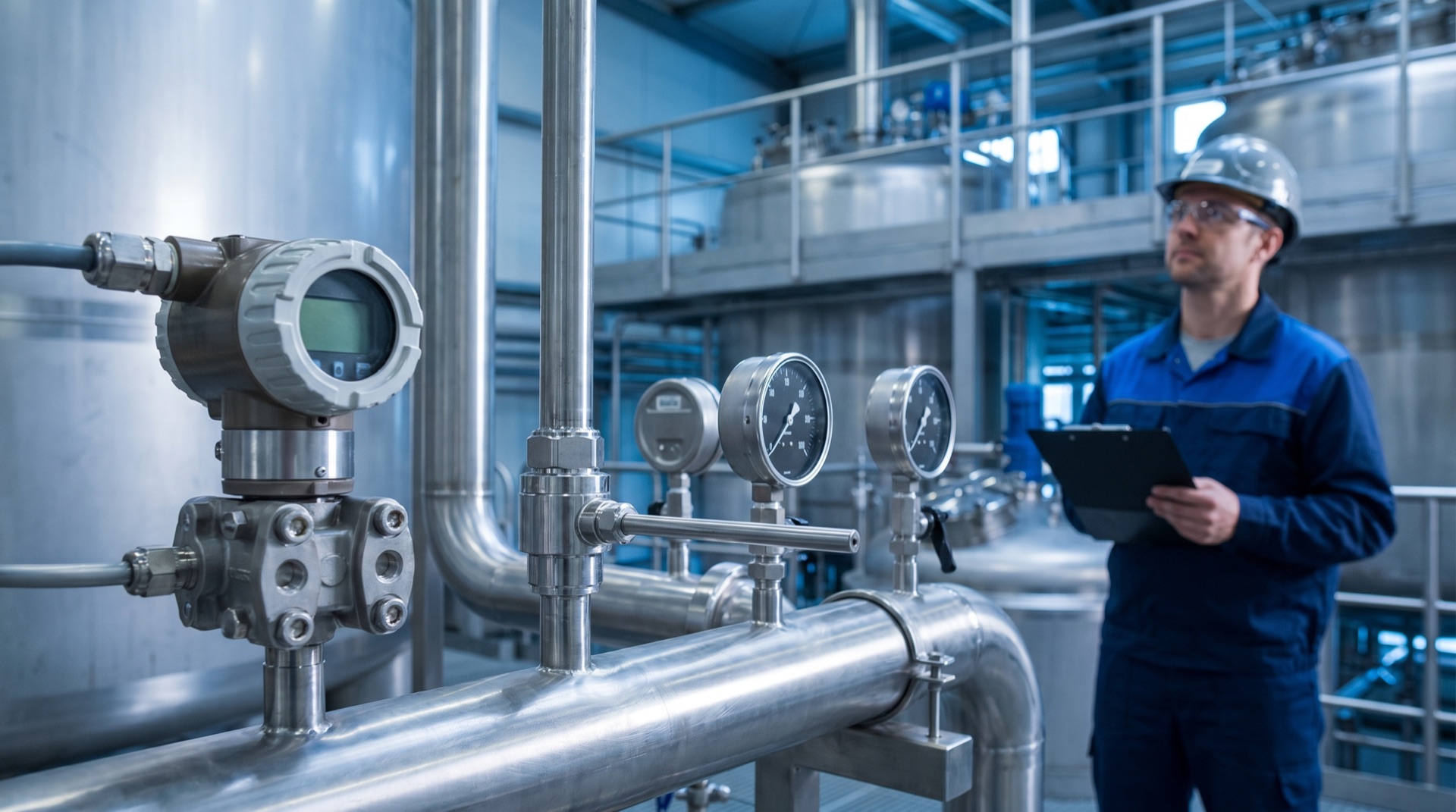
Canada’s biogas and renewable natural gas (RNG) sector converts organic material, agricultural residues, food waste, landfill gas and wastewater biosolids, into a methane-rich gas that can fuel combined heat and power (CHP) engines or be upgraded to pipeline-quality RNG. Every stage of that value chain depends on accurate renewable energy instrumentation, from the digester itself through gas conditioning, utilization and metering. Avensys supports operators across the country through our Biogas and Green Energy industry practice.
A biogas analyzer measures the gas that a digester actually produces, typically methane (CH4), carbon dioxide (CO2), oxygen (O2) and hydrogen sulfide (H2S). Methane content reflects digester health and the energy value of the gas; H2S corrodes engines, boilers and upgrading equipment and is acutely toxic; oxygen signals air ingress that can create both biological and safety problems. Continuous biogas monitoring analyzers let operators catch process upsets early, schedule desulfurization media changes intelligently and document gas quality for CHP warranty and RNG specifications. Avensys supplies modular Awite biogas analyzers that can sample multiple measuring points with a single system. Read the full cluster guide to biogas composition analysis: monitoring CH4, CO2 and H2S for selection criteria and installation guidance.
The biogas fermenter: the anaerobic digester at the heart of the plant, is a living biological system, and the microbial consortium inside it rewards stability above all else. Operators track digester temperature to hold mesophilic or thermophilic conditions steady, headspace pressure to protect membranes and relief devices, and level to manage feeding, mixing and foam. Gas production rate and composition close the loop, revealing how the biology is responding to each feedstock change. The same instrumentation philosophy applies at laboratory scale, where batch fermenter test systems are used to evaluate the biomethane potential of candidate feedstocks before they ever reach the full-size digester. Avensys offers dedicated biogas fermenter instrumentation packages; our cluster guide to batch fermenter monitoring for biogas production explains how to combine gas analysis, temperature, pressure and level into a coherent monitoring strategy.
Composition tells you what the gas is; flow tells you how much of it you are making and where it is going. Plants typically meter raw biogas leaving the digester, fuel gas feeding each CHP engine or boiler, and product gas from any upgrading step, so that mass balances and performance guarantees can be verified. Thermal mass flow meters are well suited to the wet, low-pressure, variable-composition conditions of digester gas lines, while Ritter volumetric meters serve research digesters and pilot programs where small gas volumes must be resolved precisely. Both are covered in our low flow gas metering cluster guide linked below.
Because digester gas is both flammable and toxic, process analysis should always be paired with appropriate area gas detection and ventilation design. Our environmental solutions and safety teams can help align the two.
Gas flow is one of the most frequently mis-specified measurements in industry, largely because gas volume changes with pressure and temperature while energy content tracks mass. The thermal mass flow meter resolves this elegantly: by measuring the heat carried away from a heated sensor, it reports mass flow directly and performs well at the low flow rates and low pressures typical of digester gas, aeration air and vent lines. At the opposite end of the scale, volumetric drum-type gas meters and milligas counters from Ritter provide laboratory-grade accuracy for very small gas volumes, the standard approach in fermentation research and pilot plants. Thermal dispersion switches from Kayden round out the toolkit where the question is simply flow or no-flow.
| Technology | Operating principle | Strengths | Typical applications |
|---|---|---|---|
| Thermal mass flow meter | Heat transfer from a heated sensor is proportional to gas mass flow | Direct mass flow, wide turndown, low pressure drop, sensitive at low velocity | Digester and landfill gas lines, aeration air, compressed air, natural gas distribution within plants |
| Drum-type (wet) gas meter | Positive displacement via a rotating measuring drum in a packing liquid | High volumetric accuracy at low flows, independent of gas composition | Laboratories, pilot plants, fermentation and biomethane potential testing |
| Milligas counter | Positive displacement designed for the smallest gas flow rates | Resolves very low gas production volumes | Bench-scale digestion trials and research reactors |
| Thermal dispersion flow switch | Temperature difference between heated and reference sensors changes with flow | Simple, rugged point detection of flow or no-flow | Pump and compressor protection, seal flush and purge line monitoring |
Avensys carries FCI thermal mass flow meters and Kayden thermal dispersion switches alongside Ritter low flow gas meters. For a deeper comparison, including how to choose between thermal mass and volumetric measurement for your application, see the cluster guide to thermal mass, drum-type and milligas low flow gas metering.
Avensys represents established international manufacturers and backs them with Canadian application support and service.
This pillar page anchors a four-part series. Each cluster guide goes deeper into a specific measurement challenge.
Related Avensys resources include our pillar guides to industrial water quality monitoring, continuous emissions monitoring systems (CEMS) and industrial gas detection and hazardous area safety.
A biogas analyzer typically measures methane (CH4), carbon dioxide (CO2), oxygen (O2) and hydrogen sulfide (H2S) in raw or conditioned biogas. Methane indicates energy content and digester health, H2S flags corrosion and toxicity risks for downstream equipment, and oxygen warns of air ingress. Many systems, such as the Awite analyzers supplied by Avensys, can sequence through several sampling points with one analyzer.
Choose a thermal mass flow meter when you need continuous mass flow measurement in process piping, digester gas, aeration air, compressed air or natural gas, especially at low pressures and low velocities. Choose a volumetric drum-type gas meter or milligas counter when you need laboratory-grade accuracy for small gas volumes, such as fermentation trials or pilot-plant studies.
A biogas fermenter is normally instrumented for temperature (to hold stable mesophilic or thermophilic operation), headspace pressure, liquid level and gas production, complemented by periodic or continuous gas composition analysis. Together these measurements reveal how the digester biology is responding to feeding and mixing, and protect membranes, relief devices and downstream gas users.
A transmitter provides a continuous signal proportional to the measured variable and is used for control, trending and reporting. A switch changes state at a fixed set point and is used for alarms, interlocks and shutdowns. Robust installations use both, so a single instrument failure cannot remove both visibility and protection.
No. Industrial process instrumentation is a core Avensys market. We supply temperature, pressure, flow and level instrumentation to chemical, pulp and paper, power generation, steel, food and beverage, mining and water facilities across Canada, in addition to our biogas and green energy work.
Avensys Solutions is a proud member of The Hoskin Group, supporting Canadian industry with instrumentation supply, technical service and systems integration.
Specifying process instrumentation is only the first step, long-term measurement performance depends on sound engineering, proper start-up and ongoing support. Avensys backs every instrument we supply with value-added services delivered by our Canadian team:
Learn more about Avensys services, or contact our team to discuss instrumentation for your industrial or green energy application.

Our goal is to offer broad capabilities, competitive pricing, exceptional quality and outstanding service to each and every customer across Canada.
A Division of The Hoskin Group. Canada’s Instrumentation Leader
©2026 Avensys · Powered by Canibuy™